
Cultivating your own veggies is not only satisfying but also a stunning addition to your outdoor living space. Let’s explore some inventive trellis designs that will uphold your plants and elevate your garden’s aesthetic appeal.
Cord Ascent

Uncomplicated yet practical, a cord ascent is my swift remedy for aiding tomatoes and beans. It’s a piece of cake to arrange using merely a few posts and some sturdy cord. For more inspiration, explore these unique trellis design ideas for your modern garden.
A-Frame Ascent

The A-frame ascent is a staple for good reason—it’s uncomplicated, effective, and incredibly beneficial for my pole beans. I adore how it produces a mini-tunnel of greenery.
Slanted Ascent

A slanted ascent is ideal for heftier crops such as squashes. This ingenious layout retains the fruits from the terrain and renders harvesting a cinch.
Timber Grid Ascent

A timber grid ascent unites form and function. I adore the traditional appearance it lends my garden, particularly when covered in vibrant climbing roses. You can explore creative corner trellis ideas to further elevate your outdoor space.
Elevated Beds including Integrated Climbs

Incorporating climbs into elevated beds maintains my garden’s orderliness and promotes robust plant development. I can effortlessly oversee and gather my veggies without excessive bending—ideal for a dedicated gardener like myself!
Upright Garden Sections

For limited areas, upright garden sections are invaluable. In my Austin backyard, they enable me to cultivate more in a smaller space, transforming my partitions into verdant, thriving expanses.
Chicken Cable Ascent

Chicken cable is a superb material for a swift and uncomplicated climb. I frequently employ it to fashion a straightforward frame for my peas and morning glories.
Mesh Ascent

Utilizing mesh is a versatile and cost-effective method for aiding a variety of crops. My peas and beans adore it, and it’s effortless to adjust as needed. If you are looking for more ways to save on home projects, check out these cost-effective flooring ideas.
Enchanting Gateway Trellis

Constructing an archway trellis feels like opening a portal to a magical garden. I’ve employed this layout to create a majestic entry to my vegetable haven, where climbing beans and peas grow abundantly. Once you harvest your bounty, check out these inspired ways to serve a vegetable tray.
Pergola Ascent

A pergola ascent is my ideal solution for a garden seating area that serves a purpose. It’s a gorgeous spot to unwind under the shade of grapevines or colorful squashes. You can find more inspiration for your space in our guide to backyard seating area ideas.
Living Partition Ascent

Constructing a living partition using climbs is a breathtaking means to exhibit lush, cascading greenery. It’s akin to possessing an upright garden that evolves with the seasons directly on my patio.
Handcrafted Cane Trellis

Cane is my preferred material for a natural-look trellis that combines resilience and beauty. I cherish how straightforward it is to form and fasten, making it suitable for sustaining my cucumbers and tomatoes. You can find more tips for building cucumber trellises to help your garden thrive.
Handcrafted Osier Ascent

An osier ascent introduces a hint of caprice and is well-suited for smaller climbers. I revel in crafting these from osier branches for a genuinely personalized garden feature. You can find more modern design inspirations for vegetable garden gates to complement this look.
Teepee Ascent

A teepee ascent is a delightful undertaking that’s as simple to assemble as it is captivating. I frequently plant peas encircling mine, and the children cherish concealing themselves within it!
Reclaimed Ladder Ascent

Transforming an aged ladder into a garden climb is both practical and sustainable. I’ve reclaimed a timber ladder to aid my climbing roses and beans. You can find more creative ladder display ideas to repurpose vintage pieces throughout your home.
Cattle Board Ascent

For a resilient and enduring option, I suggest a cattle board ascent. It’s a fantastic means to support climbing tomatoes and cucumbers in my garden. You can also explore inspiring trellis ideas to help your clematis vines flourish.
Garden Obelisk Ascent

An obelisk ascent stands tall and sophisticated, ideal for drawing the gaze upwards. I employ mine to showcase flowering vines and introduce upright interest to my garden.
Overhead Arched Ascent

An overhead arched ascent transformed my garden pathway into a lush, green haven. It’s a delightful approach to nurture cucumbers and squashes, and the dangling fruits facilitate effortless picking.
Climb Containers

Climb containers are outstanding for compact patios or balconies, allowing me to nurture plants upright in restricted areas. I enjoy including a burst of color through marigolds to deter pests.
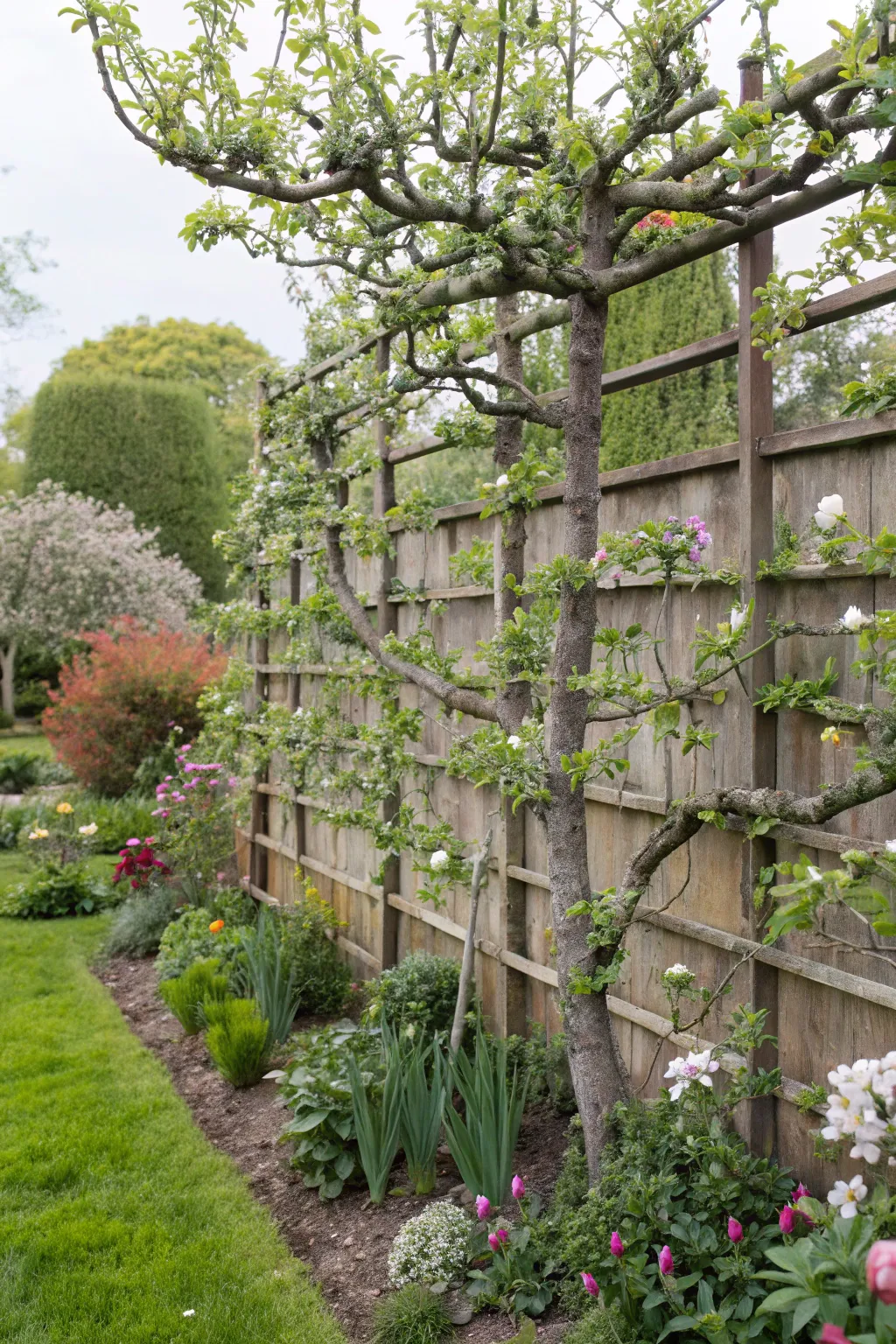
Espalier Fruit Wood

Educating fruit wood on a climb not only conserves area but also fashions a breathtaking feature. My espaliered apple wood is a garden centerpiece, and it’s surprisingly effortless to sustain. You can explore more stylish ways to incorporate wood into your overall garden decor.