
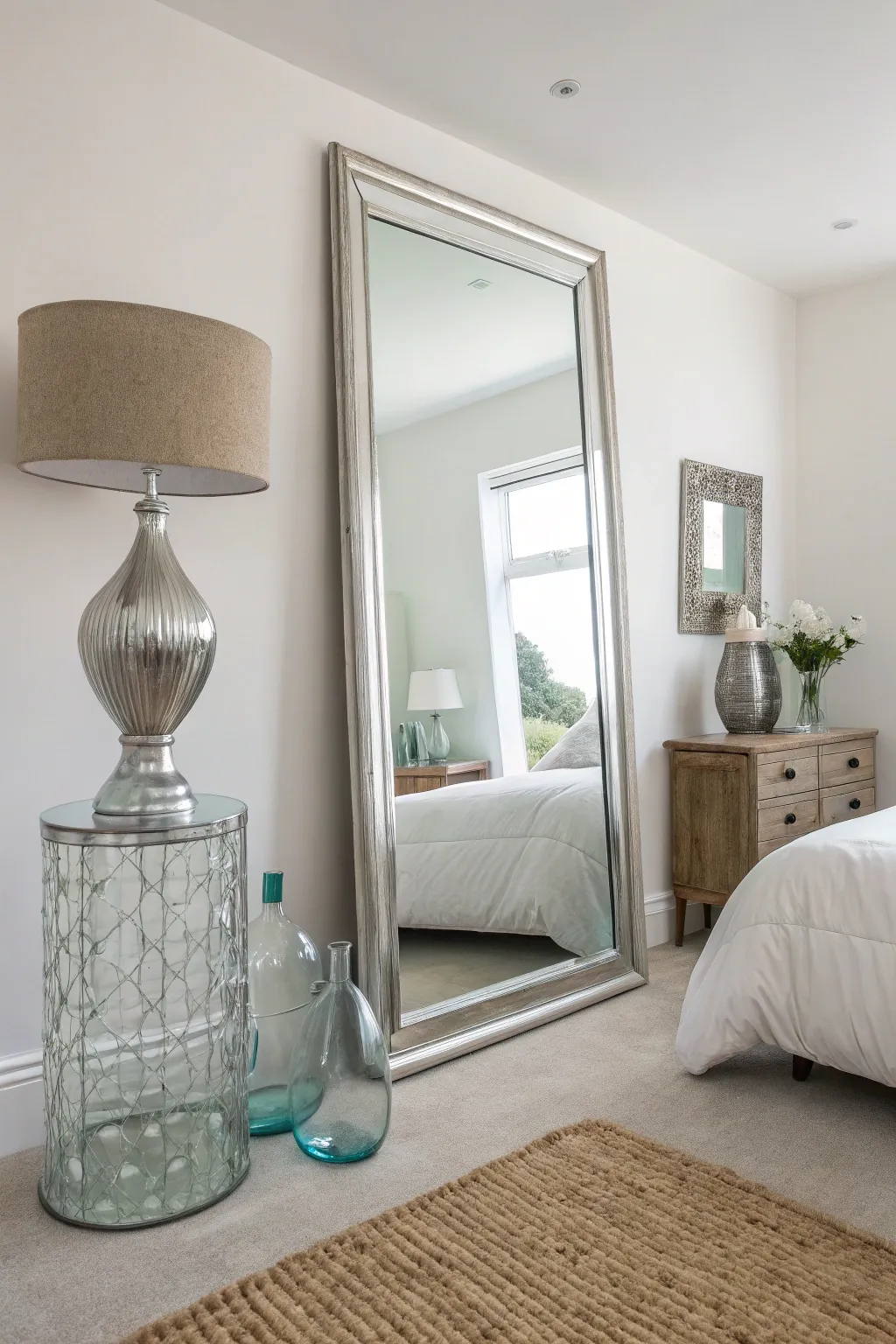
Envision beginning your day in a peaceful, orderly space that instantly brings calm to your mind and spirit. A minimalist bedroom has the power to transform your morning routine and offer a tranquil retreat right in your own home.
1. Incorporate Plush Fabrics

Utilize soft materials such as cotton or wool for curtains and bedding. These add a comfortable touch without disrupting the minimalist balance.
2. Experiment with Highlight Colors

Incorporate subtle pops of color with accents such as cushions or throws. I recommend using matching shades to maintain a cohesive yet captivating aesthetic. These accents look especially sophisticated when paired with grey painted bedroom furniture.
3. Opt for Neutral Color Palettes

Neutral tones such as white, cream, and gray form the foundation of a minimalist bedroom, fostering a serene environment. From my design experiences, I’ve noticed these shades invariably make a space feel more spacious and inviting. You can apply these same principles to your home by exploring contemporary minimalist kitchen designs.
4. Employ Space Wisely

Utilize open space to draw attention to key elements within the room. This approach allows for a focus on what’s truly essential and beautiful. You can discover more ways to maximize your layout in our creative styling tips for a single’s bedroom.
5. Establish a Tech-Free Space

Keep gadgets to a minimum to maintain a peaceful setting. I’ve observed that minimizing electronic distractions significantly improves the quality of sleep.
6. Integrate Storage Solutions

Built-in storage options assist in keeping belongings concealed yet easily reachable. I consider these solutions indispensable for maintaining a minimalist design. You can explore our creative ideas for built-in storage racks to maximize your space.
7. Maximize Open Space

Allow for open space around furniture to maximize the sensation of spaciousness. This principle is vital in my designs for promoting a feeling of freedom and tranquility.
8. Add Natural Touches

Incorporate elements such as plants and ample natural light to amplify the tranquility of your room. I’ve personally seen how a hint of greenery can enliven a minimalist setting. You can explore more minimalist yard ideas to extend this aesthetic to your outdoor space.
9. Incorporate Standout Structural Elements

Highlight structural details like exposed beams or expansive windows. In my projects, I leverage these elements as central features to inject personality without causing clutter.
10. Explore Delicate Designs

Incorporate subtle designs such as delicate stripes or grids in textiles. I’ve seen how these can introduce variety without being overwhelming. You can also apply these patterns to create innovative wallpaper headboards for a cohesive look.
11. Go for Uncomplicated Furnishings

Select furnishings that feature sleek lines and a simple aesthetic. I consistently suggest pieces that sit lower to the ground, emphasizing practicality without compromising elegance.
12. Incorporate Gentle Illumination

Gentle lighting, like dimmable lights, helps establish a relaxing mood. I often use this method to foster a warm, inviting ambiance in bedrooms. You can explore creative lighting fixtures to further enhance your space.
13. Prioritize Practical Design

Design with practicality in mind, ensuring each item serves a distinct purpose. I particularly enjoy creating spaces that are both cozy and functional.
14. Add Eye-Catching Art

Select one or two large art pieces that resonate with the minimalist style. I’ve discovered that statement art can anchor a space and make a significant impact. Explore our guide on inspiring art pieces for the space above your couch to find the perfect focal point.
15. Minimize Decorative Items

Minimize wall decorations, concentrating on simple frames or monochromatic art pieces. This strategy preserves a neat aesthetic while incorporating personal touches.
16. Ensure Spaces Remain Orderly

A clutter-free environment is vital for achieving a minimalist look. I often guide clients to minimize decorations and maintain clear surfaces to preserve a sense of peace. You can explore understated counter decor to enhance this aesthetic.
17. Highlight Texture over Volume

Employing diverse textures, such as a plush rug or linen bedding, introduces warmth without the clutter. From my own design projects, I’ve learned that texture is a powerful tool for creating an inviting atmosphere. You can explore more natural bedroom styling ideas to refine your space.
18. Employ Reflective Surfaces

Mirrors and glass can make a room appear more expansive and airy. I’ve utilized reflective surfaces to enhance light and create a sense of depth in smaller areas.