
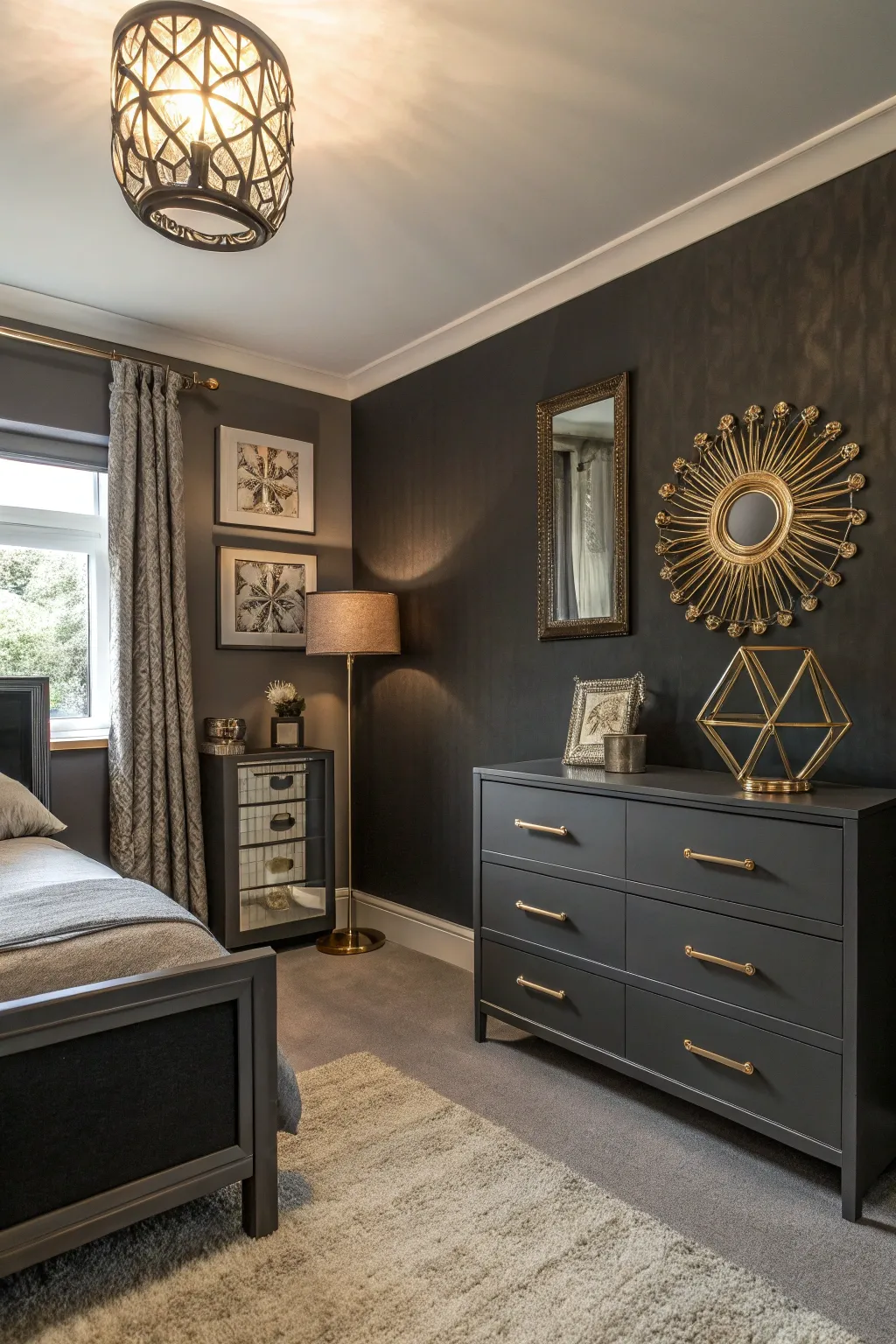
Selecting the correct hue palette can completely revamp a small bedroom, turning it into either a comforting haven or an energetic area. Let’s uncover imaginative concepts to amplify the sense of space and welcome in your modest bedroom.
1. Establish Calm Through Soft Green

Gentle green shades evoke nature, encouraging a sense of calm and renewal. Throughout small bedrooms, they transport the outdoors in, setting up a tranquil hideaway.
2. Get Pensive Using Deep Blues

Rich blue shades establish a tranquil, contemplative atmosphere perfect for leisure and restful slumber. It stands out as a favorite within my planning approach for those seeking to apply a hint of intensity without overpowering the area. Learn how to use blue paint to ensure your space remains welcoming and warm.
3. Mirror Light Using Pale Neutrals

Muted neutral hues mirror light effectively, giving a larger and more expansive room sense. This technique stands as an essential element within my strategy for battling low-lit areas and boosting sunlight. Explore more chic decorating ideas for small bedrooms to maximize your space.
4. Go For a Monochromatic Arrangement

A monochromatic hue arrangement can unify the space, making it appear cohesive and larger. I often employ this strategy to keep up ease while guaranteeing a stylish result. You can find more tips like this in our modern small kitchen design guide.
5. Go For Comfortable Natural Tones

Profound earthy hues such as clay or moss can infuse coziness and richness to a compact bedroom. These shades establish a comforting, grounded atmosphere that radiates closeness and welcome—a choice I especially admire in my personal living space.
6. Illuminate Using Radiant Yellows

Bright yellow shades permeate a small bedroom with cheer and optimism, giving a more joyful sense. I’ve used this technique to elevate moods within areas that require some sunlight. You can also explore bright yellow and blue bathroom inspirations to bring this vibrant color palette into your home.
7. Play Using Contrasting Trim

Employing a contrasting hue on trim or moldings can shape the space and deliver visual interest. I adore how this effortless strategy can accentuate architectural features and integrate character. You can explore more chic color palettes to further enhance your design.
8. Incorporate Reflective Metallics

Metallic finishes or decoration can integrate a reflective quality, enhancing light and space. It’s a quick strategy I adore employing to carry a dash of charm and opening up the room. You can further elevate this aesthetic by incorporating elegant floor vase decorations to anchor your modern living area.
9. Experiment Using Two-Tone Walls

Employing two-tone walls can cleverly determine areas inside a compact bedroom, adding visual interest. Blend contrasting hues for example soft blue and white for a stylish, layered visual—an element I adore integrating throughout multifunctional spaces. You can also apply this technique to other rooms by learning how to style a bathroom with two-tone walls.
10. Experiment Using Textured Walls

Textured finish or wallpaper can integrate depth and allure without crowding the space. I find it a fantastic method to introduce delicate complexity to a room’s planning. These details are essential when considering smart layout ideas for basement bedrooms.
11. Incorporate Character Through Brick Red

Brick red is an unexpected selection that integrates warmth and a touch of the unexpected, suited to those seeking a distinctive touch. I’ve employed it to effective outcome throughout rooms that need a snug, welcoming sensation.
12. Spotlight Using an Accent Wall

An eye-catching accent wall serves as a focal point that attracts attention and imparts dimension. Opt for a noticeable hue like dark blue or forest green—I find it remarkable how it can transform an ordinary wall into a masterpiece. You can also explore mural concepts to add even more character to your space.
13. Produce a Picture Using Horizontal Stripes

Horizontal lines can give a wider room appearance, enhancing the sense of space. This optical illusion acts as a smart strategy I’ve engaged throughout narrow rooms.
14. Adopt Gentle Muted Tones

Delicate, muted colors such as gentle rose or light teal foster a breezy atmosphere, giving the impression of a larger small bedroom. From what I’ve observed, this approach is exceptionally effective in rooms where sunlight is scarce, offering a subtle luminosity conducive to unwinding.
15. Soften Using Muted Lavenders

Muted lavender stands as a relaxing selection that introduces a delicate touch of color without overpowering the senses. From what I’ve observed, it works handsomely throughout bedrooms where calm acts as the primary goal.
16. Make Use of Pure Whites

Clean white walls are a classic choice for compact bedrooms, enhancing light and creating a sense of spaciousness. In my Denver projects, I’ve noted how white harmonizes various features effortlessly. Explore these sleek modern designs to maximize your small space.
17. Augment Sunlight

Picking lighter hues can take full advantage of the effect of sunlight, giving a breezy and expansive room feel. It’s a natural tactic I always consider, notably when large windows exist.
18. Incorporate Richness Through Gem Tones

Gem tones for example emerald or sapphire can set up a luxurious visual, adding richness without additional decor. Throughout small bedrooms, these hues can stand separately, delivering an abundant, enveloping sensation. Consider pairing these deep colors with stylish dresser solutions to maximize your space.
19. Unite Class Alongside Neutral Grays

Cool gray tones provide a refined setting, fitting for both modern and traditional decor aesthetics. From my findings, they demonstrate remarkable adaptability when uniting diverse design components within a space. You can explore these chic gray and white bathroom decor ideas to see how these shades elevate a room.
20. Employ Rich Charcoal Hues

Deep charcoal tones can give a spectacular, modern sharpness to a small room, suited to those who adore a strong visual. I cherish blending this hue alongside metallic highlights for a sophisticated touch. Explore our beautiful bedroom schemes in charcoal tones for more inspiration.